
Bristol Flower Bed Maintenance Services
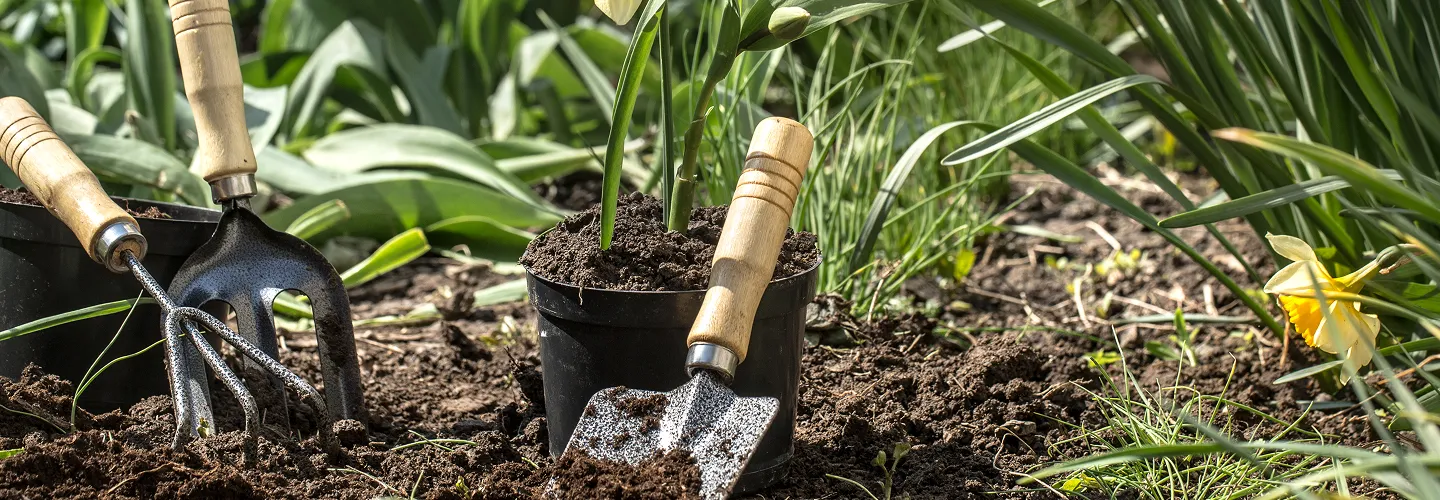
Choose our expert Flower Bed Maintenance for lush, healthy blooms and a weed-free garden—enjoy professional care that saves you time and keeps your outdoor space looking its best.
Get a Free QuoteOur Bristol Landscaping & Yard Care Services
When to Schedule Flower Bed Maintenance in Bristol, Rhode Island – Seasonal Guide
In Bristol, Rhode Island, the best times for flower bed maintenance are closely tied to the region’s unique coastal climate and seasonal changes. Early spring, just after the last frost date, is ideal for cleaning up beds, amending soil, and preparing for new plantings. Fall is another key period, especially for mulching and removing spent annuals, as the town’s proximity to Narragansett Bay can lead to fluctuating temperatures and increased humidity. Neighborhoods like Hope Street and the area near Colt State Park often experience microclimates, with shaded yards and varying soil types that influence when and how maintenance should be performed.
Local factors such as Bristol’s occasional drought risk, the prevalence of mature trees in historic districts, and municipal guidelines on water usage all play a role in determining the optimal maintenance schedule. For more information on local environmental considerations, visit the Town of Sudbury’s resource page, which offers helpful insights relevant to our region.
Local Factors to Consider for Flower Bed Maintenance in Bristol
- Proximity to Narragansett Bay and its effect on humidity and salt exposure
- Average last frost date (typically late April)
- Tree density in neighborhoods like Poppasquash Point, affecting shade and leaf litter
- Soil composition, especially in areas with clay or sandy soils
- Municipal watering restrictions during summer months
- Terrain variations, such as sloped yards near Mount Hope Farm
- Annual precipitation patterns and risk of late-spring drought
Benefits of Flower Bed Maintenance in Bristol
Enhanced Curb Appeal
Weed and Pest Control
Seasonal Plant Health
Professional Expertise
Time and Effort Savings
Customised Landscaping Solutions

Bristol Flower Bed Maintenance Types

Seasonal Planting
-
Weed Control
-
Soil Conditioning
-
Mulching Services
-
Pruning and Deadheading
-
Fertilization Programs
-
Pest and Disease Management
Our Flower Bed Maintenance Process
Site Evaluation
Weed Removal
Soil Preparation
Plant Care
Mulching
Why Choose Bristol Landscape Services
-
Bristol Homeowners Trust Us
-
Expert Lawn Maintenance
-
Reliable Scheduling
-
Competitive Pricing
-
Professional Team
-
Satisfaction Guarantee
-
Personalized Service
Managing Flower Bed Debris and Organic Waste in Bristol
Proper disposal of flower bed debris in Bristol is governed by municipal collection schedules and local ordinances. Yard waste, including plant trimmings, leaves, and spent annuals, is collected weekly on Thursdays from April through November. Residents must use biodegradable paper bags or reusable bins (32-gallon maximum); plastic bags and branches over 4 inches in diameter are prohibited. All organic waste should be placed curbside by 7:00 AM on collection day. For large volumes or off-schedule disposal, the Town Transfer Station accepts yard waste during posted hours. Compliance with these procedures helps prevent stormwater violations under the Clean Water Act and supports Bristol’s MS4 permit requirements.
Bristol RI Department of Public Works
111 Mount Hope Avenue, Bristol, RI 02809
Phone: (401) 253-4100
Official Website: Bristol RI Department of Public Works
Soil Series and Drainage Considerations for Bristol Flower Beds
Bristol’s predominant soils, as identified by the USDA Web Soil Survey, include Newport and Bridgehampton series—characterized by glacial till, moderate to poor drainage, and a pH range of 5.5 to 6.5. These soils often require amendments for optimal flower bed performance. Incorporate 2-3 inches of compost tilled to a 6-inch depth to improve structure and drainage. Lime application is recommended if soil pH tests below 6.0, with testing available through the University of Rhode Island Cooperative Extension (typical cost: $15-25). Raised beds or French drains may be necessary in areas with persistent waterlogging. Always maintain a 25-foot buffer from wetlands and water bodies to comply with local and state environmental regulations, including the Rhode Island Environmental Rights Act.
Seasonal Timing and Climate Zone Guidance for Bristol Flower Beds
Bristol is located in USDA Hardiness Zone 6b-7a, with average last frost dates in late April and first frost in late October. Optimal planting for perennials and annuals occurs from April 15 to May 30, when soil temperatures reach 50-65°F. Mulching should be completed by mid-May to conserve moisture and suppress weeds. Deadheading and pruning are best performed from June through September, with major cleanups scheduled before the first frost. Avoid fertilizer applications from June through August to prevent heat stress. For weather-specific scheduling, consult the National Weather Service – Boston/Norton Office, which provides local forecasts and frost advisories.
Environmental Compliance and Wetland Buffer Requirements in Bristol
Flower bed maintenance near Bristol’s wetlands, streams, and conservation areas is subject to strict buffer and chemical use regulations. A minimum 25-foot no-disturbance buffer is required from all designated wetlands, and no fertilizer or pesticide applications are permitted within 50 feet of water bodies. All clippings and debris must be kept out of storm drains to comply with Bristol’s MS4 permit and Rhode Island Department of Environmental Management stormwater rules. Use only EPA-registered products and follow label rates. For properties adjacent to conservation lands, additional restrictions may apply; consult the Conservation & Open Space Commission for site-specific guidance.
Bristol RI Conservation & Open Space Commission
10 Court Street, Bristol, RI 02809
Phone: (401) 253-7000
Official Website: Bristol RI Conservation & Open Space Commission
Plant Selection and Native Species Recommendations for Bristol Beds
Selecting appropriate species for Bristol’s flower beds requires consideration of local climate, soil, and wildlife pressures. Recommended native and adapted perennials include:
- Black-eyed Susan (Rudbeckia hirta)
- New England aster (Symphyotrichum novae-angliae)
- Wild bergamot (Monarda fistulosa)
- Joe Pye weed (Eutrochium purpureum)
- Cardinal flower (Lobelia cardinalis) For deer resistance, consider lavender, Russian sage, and salvia. Full sun beds thrive with coneflower and daylily, while partial shade areas benefit from coral bells and hosta. Space plants 12-24 inches apart for optimal density. For further guidance, refer to the University of Rhode Island Cooperative Extension plant selection resources.
What Neighborhoods Do We Serve Throughout Bristol, RI?
- Historic Downtown: Features compact lots and mature landscaping, with glacial till soils and drainage challenges requiring raised beds and careful plant selection.
- Hope Street Corridor: Characterized by mixed-use properties and proximity to Bristol Harbor, necessitating strict buffer compliance and salt-tolerant species.
- Mount Hope: Residential area with moderate slopes and clay-rich soils, often needing soil amendments and erosion control measures for flower beds.
- Poppasquash Point: Large lots near conservation lands and wetlands, subject to enhanced buffer requirements and wildlife management considerations.
- Bay View: Coastal exposure and sandy soils demand drought-tolerant and wind-resistant plantings, with attention to salt spray.
- Wood Street District: Dense development and limited green space require compact, shade-tolerant species and careful debris management.
- Narrows Area: Floodplain location with periodic high water table, making drainage and wetland buffer compliance critical for all flower bed maintenance activities.